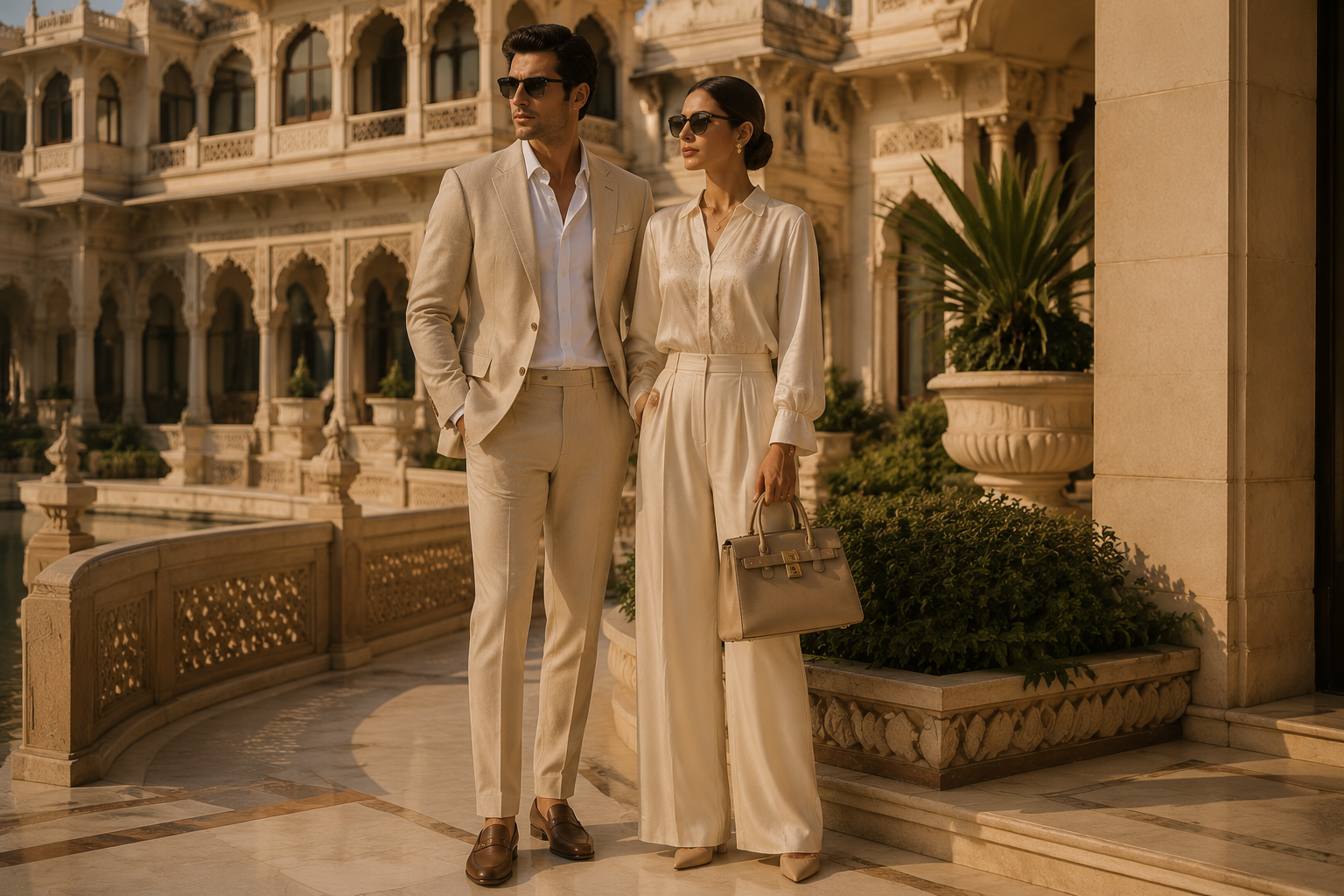
Fashion trends may change every season, but timeless elegance never goes out of style. In recent years, old money fashion has become one of the most influential style movements in luxury fashion because it represents sophistication, confidence, and understated wealth. Unlike flashy designer trends or oversized logos, old money style focuses on refined tailoring, neutral tones, quality fabrics, and effortless elegance.
From South Bombay luxury aesthetics to European quiet luxury fashion, this timeless style has captured the attention of fashion lovers around the world. The beauty of old money fashion lies in its simplicity. It doesn’t try too hard to impress, yet it always appears polished, refined, and luxurious.
Old money fashion is more than just clothing — it represents a lifestyle built around elegance, confidence, and timeless sophistication. From luxury vacations and heritage architecture to understated accessories and refined tailoring, every detail reflects an effortless sense of style. Unlike fast-moving fashion trends, the old money aesthetic focuses on pieces that remain elegant year after year without constantly changing with every season.
In this guide, we’ll explore what old money fashion really means, how to dress elegant without looking overdressed, the essential wardrobe pieces every luxury-inspired closet should include, and how both men and women can embrace this timeless aesthetic.
What Is Old Money Fashion?
Old money fashion is a timeless and sophisticated style associated with generational wealth, understated luxury, and elite fashion culture. Rather than following fast-changing fashion trends, the old money aesthetic focuses on elegant tailoring, minimalist styling, premium fabrics, and timeless wardrobe essentials that remain stylish for years.
The goal of old money fashion is not to appear flashy or attention-seeking. Instead, it’s about looking naturally refined and effortlessly elegant. The aesthetic is heavily inspired by classic Ralph Lauren luxury, Italian tailoring, Monaco summer fashion, and sophisticated South Bombay old-wealth style.
Fashion icons such as Princess Diana, Sofia Richie, David Beckham, and Carolyn Bessette-Kennedy have all influenced the modern old money aesthetic through their timeless and understated approach to style.
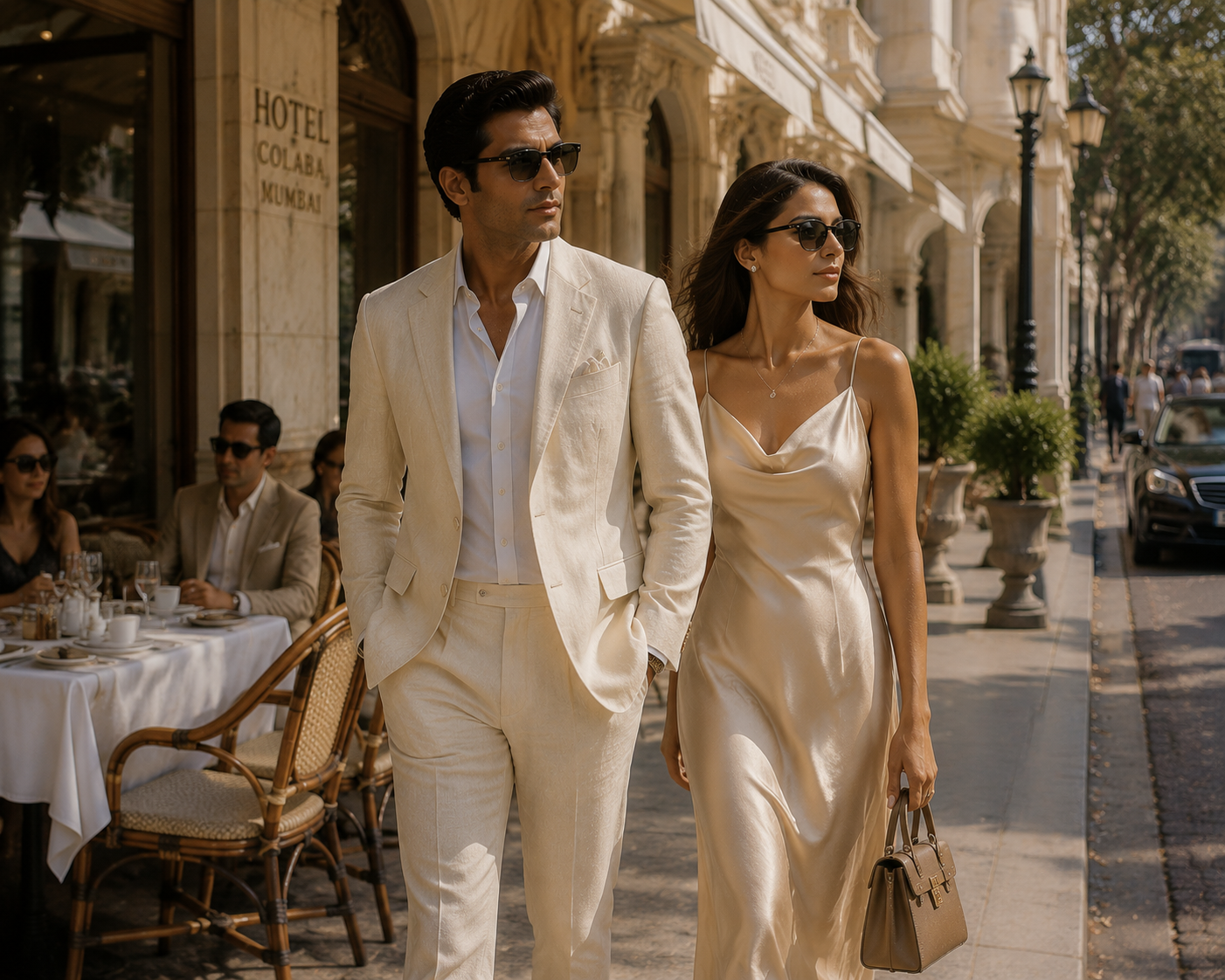
Why Old Money Fashion Is Trending
One of the biggest reasons old money fashion has become so popular is because people are slowly moving away from loud fashion trends and embracing timeless elegance instead. Social media platforms like Pinterest, TikTok, and Instagram have played a major role in popularizing quiet luxury fashion, capsule wardrobes, and expensive-looking minimalist outfits.
Rather than purchasing fast fashion every season, many fashion lovers are now investing in timeless wardrobe essentials that remain stylish for years. Old money fashion feels mature, luxurious, sophisticated, and effortless — which is exactly why it continues to dominate modern fashion culture.
Another reason this aesthetic continues to grow in popularity is because people are becoming more intentional about the way they dress. Instead of purchasing large amounts of trend-based fashion, many are now building capsule wardrobes filled with timeless essentials that feel more versatile, refined, and sustainable. The old money aesthetic perfectly aligns with this modern shift toward quality over quantity.
The Key Principles of Old Money Style
1. Neutral Colors Always Win
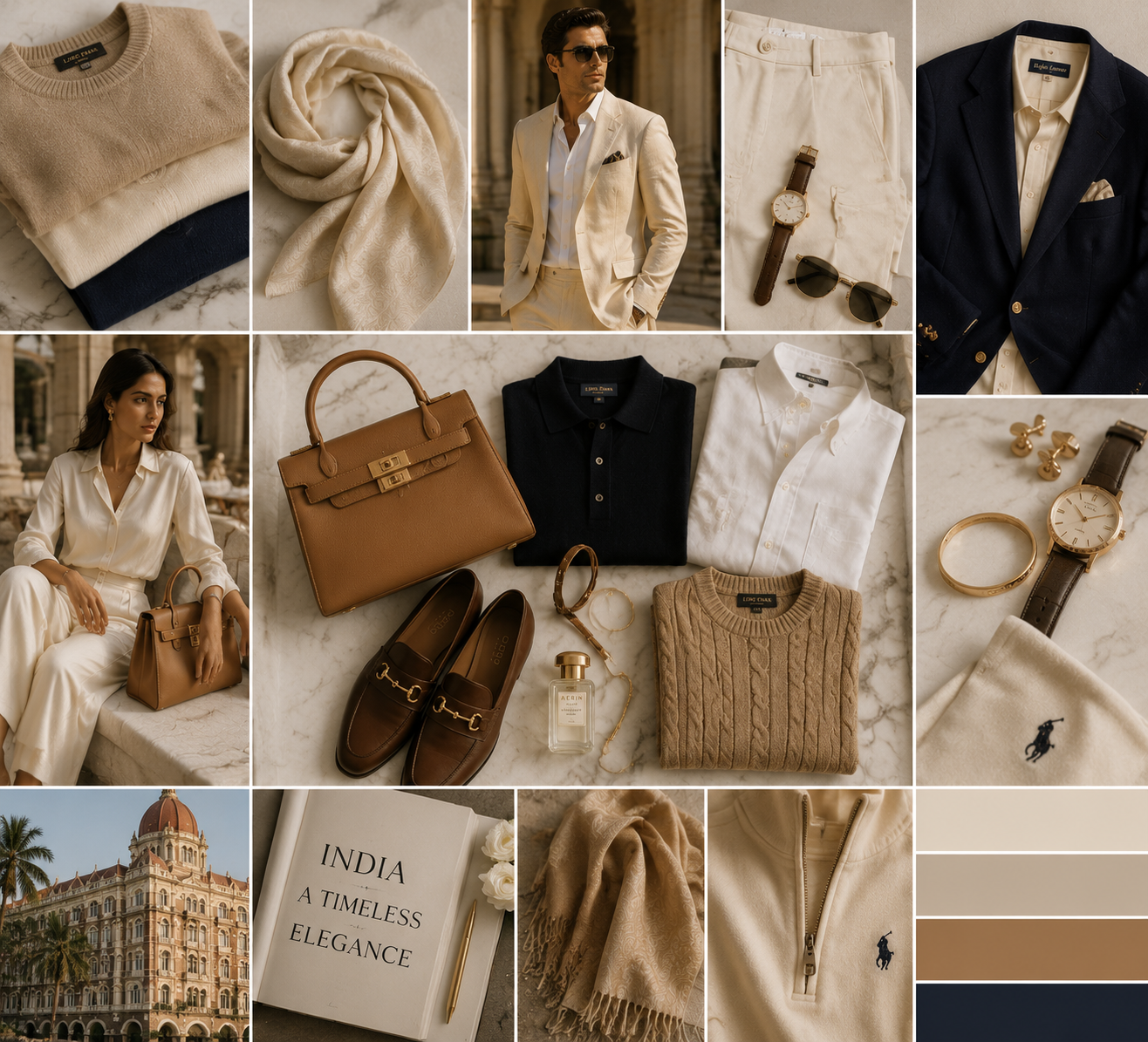
Old money fashion relies heavily on timeless neutral shades such as beige, cream, navy, camel, white, olive green, and soft grey. These colors create a clean and luxurious appearance without trying too hard. Unlike overly bright colors or flashy prints, neutral tones instantly make outfits appear more refined and elegant.
The secret behind luxury fashion is simplicity. A well-balanced neutral outfit almost always looks more expensive and timeless than trend-driven styling.
2. Tailoring Is Everything
Even the most expensive outfit can look cheap if the fit is wrong. Tailoring plays one of the biggest roles in achieving the old money aesthetic because clean silhouettes and refined structure instantly elevate an outfit.
Well-fitted blazers, tailored trousers, elegant dresses, and structured coats create a polished appearance that feels sophisticated rather than trendy. In old money fashion, perfect fit matters far more than oversized branding or temporary fashion trends.
Luxury fashion has always been closely connected to tailoring because perfectly fitted clothing naturally creates a more polished and expensive appearance. Even the simplest outfit can look incredibly sophisticated when the proportions, structure, and fit are balanced correctly. This is one of the biggest reasons why old money fashion always appears elegant without looking excessive.
3. Minimal Branding Matters
One of the biggest differences between old money style and flashy luxury fashion is branding. True elegance avoids oversized logos and attention-seeking fashion pieces. Instead, the focus stays on craftsmanship, fabric quality, fit, and structure.
Luxury should always feel subtle. The most sophisticated outfits often appear simple at first glance, but their quality and tailoring make them stand out naturally.
4. Invest in Timeless Pieces
Building an old money wardrobe starts with investing in timeless essentials that can be styled across multiple seasons.
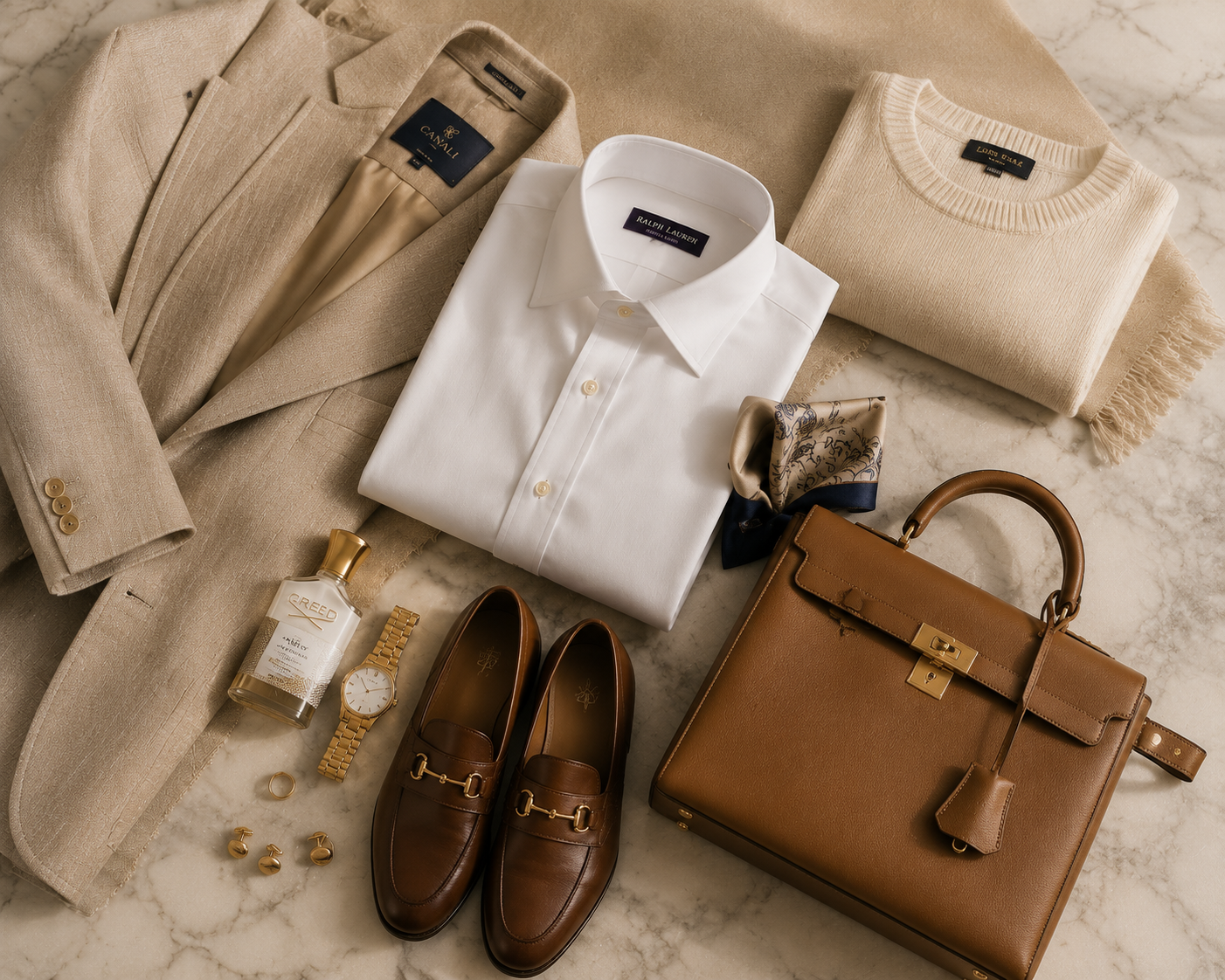
White Oxford shirts, tailored trousers, cashmere sweaters, leather loafers, neutral blazers, structured handbags, classic watches, and elegant midi dresses are all staples of the old money aesthetic. These pieces never truly go out of style and help create a wardrobe that feels polished, luxurious, and timeless.
The beauty of timeless fashion lies in its versatility. A well-tailored blazer, elegant loafers, or a structured handbag can be styled in multiple ways across different seasons without losing its sophistication. This is why old money wardrobes often appear simple yet incredibly luxurious — every piece serves a long-term purpose instead of being worn for only one trend cycle.
How to Dress Elegant Without Looking Overdressed
One of the most common mistakes people make when trying old money fashion is dressing too formally all the time. True elegance should always feel effortless rather than forced.
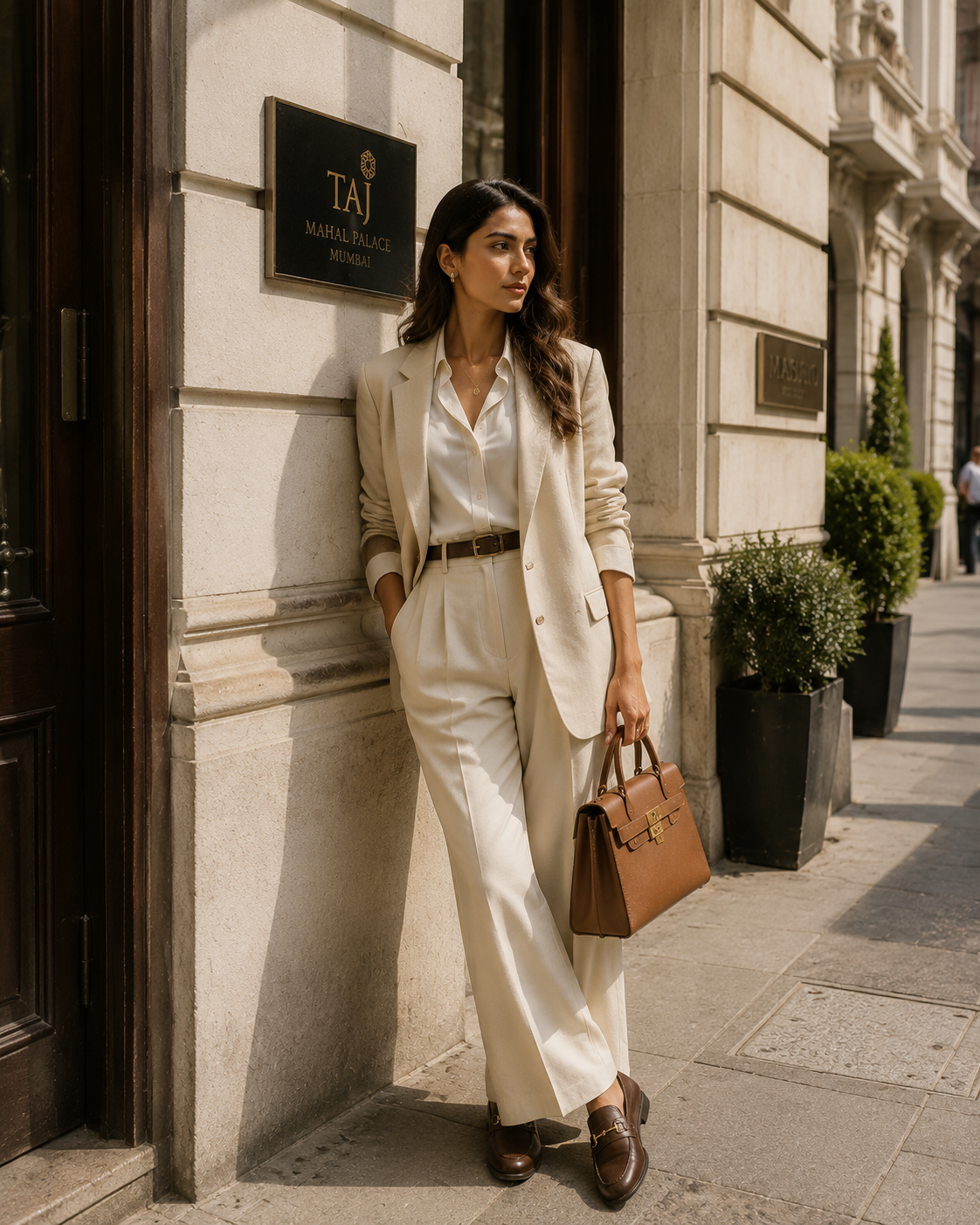
Keeping accessories minimal, focusing on one luxury statement piece, and prioritizing clean styling over flashy fashion helps create the perfect balance. Wrinkle-free clothing, polished shoes, soft neutral colors, and elegant grooming often make a bigger difference than expensive designer labels.
The old money aesthetic works best when it feels natural, relaxed, and quietly sophisticated. One of the defining characteristics of old money fashion is balance. The overall look should feel polished without appearing overly styled or complicated. Instead of layering multiple statement pieces together, old money style focuses on subtle refinement through tailoring, neutral color palettes, and timeless accessories. This creates an appearance that feels elegant and effortless rather than overly formal or attention-seeking.
Common Old Money Fashion Mistakes
Many people misunderstand old money fashion and accidentally turn it into overly formal or logo-heavy styling. Wearing too many designer logos, overdressing every outfit, ignoring proper tailoring, and blindly following every fashion trend can completely ruin the elegance of the aesthetic.
Old money style is timeless because it focuses on simplicity, confidence, and understated luxury rather than trying too hard to appear wealthy.
Another common mistake is confusing luxury with excess. True old money fashion is never about wearing the most expensive outfit in the room. Instead, it’s about choosing pieces that feel timeless, refined, and naturally sophisticated. The elegance of the aesthetic comes from restraint, confidence, and thoughtful styling rather than excessive trends or flashy branding.
Best Fabrics for an Expensive Look
Fabric quality plays a major role in achieving elegant fashion. Materials like linen, wool, cotton, silk, cashmere, and tweed instantly make outfits feel more refined and luxurious. Cheap synthetic fabrics often ruin the sophistication of an outfit, even if the overall design looks stylish.
Luxury fashion is not only about appearance — it’s also about texture, comfort, and craftsmanship. Natural fabrics not only look more luxurious, but they also age beautifully over time. Linen develops character, wool maintains structure, and cashmere becomes softer with wear. This connection between premium fabrics and timeless elegance is one of the defining elements of old money fashion and quiet luxury styling.
Old Money Fashion for Men
Old money fashion for men is centered around classic tailoring and understated sophistication. Navy blazers, white Oxford shirts, pleated trousers, polo shirts, leather loafers, luxury watches, and neutral knitwear all help create a timeless masculine wardrobe.
The overall aesthetic should feel polished yet relaxed, elegant yet effortless. For men, old money style often combines classic European tailoring with relaxed luxury. Linen shirts, lightweight blazers, pleated trousers, and quality leather loafers create an appearance that feels sophisticated without looking overly formal. The focus is always on clean silhouettes, premium fabrics, and understated styling that remains timeless regardless of changing fashion trends.
Old Money Fashion for Women
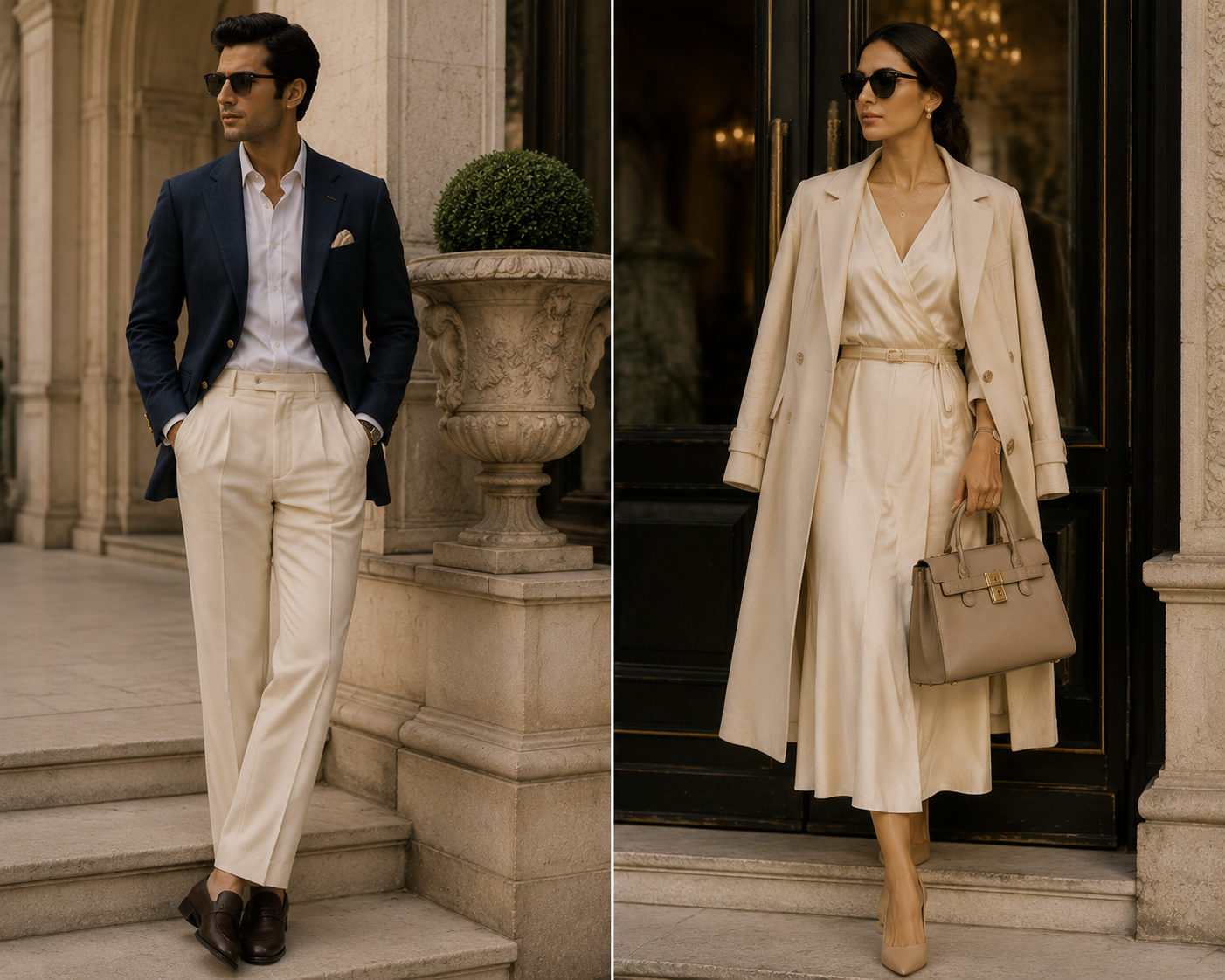
Women’s old money fashion focuses on timeless elegance and feminine sophistication. Structured handbags, silk blouses, tailored blazers, trench coats, pearl jewelry, neutral heels, and elegant midi dresses create the perfect quiet luxury aesthetic.
Soft makeup, polished hairstyles, and minimal accessories complete the overall look beautifully. The beauty of old money fashion for women lies in its graceful simplicity. Neutral-toned outfits, elegant silhouettes, and subtle accessories create a luxurious appearance that feels sophisticated rather than overpowering. Instead of heavily trend-driven styling, the aesthetic focuses on timeless femininity, refined tailoring, and effortless confidence that never goes out of style.
Old Money Fashion vs Quiet Luxury
Although old money fashion and quiet luxury are very similar, there are slight differences between the two. Old money fashion is more inspired by heritage wealth, prep-school aesthetics, and classic European elegance, while quiet luxury focuses more on minimalist fashion, clean silhouettes, and understated premium styling.
Both aesthetics prioritize timeless sophistication over temporary fashion trends. Although the two aesthetics share many similarities, old money fashion often feels more heritage-inspired and traditional, while quiet luxury leans slightly more modern and minimalist. Both styles value quality, elegance, and understated sophistication, which is why they continue to influence luxury fashion trends around the world.
Frequently Asked Questions
Is old money fashion expensive?
Not necessarily. The focus is more on timeless styling and quality pieces than designer labels.
Can old money fashion work in India?
Yes. Neutral tones, elegant tailoring, linen fabrics, and minimalist styling work beautifully in Indian luxury fashion aesthetics.
What colors define old money fashion?
Beige, cream, navy, white, camel, olive green, and soft grey are the most popular old money shades.
The Future of Old Money Fashion
As fashion continues to evolve, old money style is expected to remain one of the strongest luxury aesthetics because it focuses on timeless elegance rather than temporary trends. In an era dominated by fast fashion and social media-driven styling, more people are choosing refined minimalism, premium craftsmanship, and understated sophistication.
The appeal of old money fashion lies in its ability to feel modern while still remaining classic. Whether styled through tailored blazers, neutral palettes, luxury fabrics, or elegant accessories, this aesthetic continues to represent effortless confidence and timeless beauty.
Conclusion
Old money fashion is not about pretending to be wealthy — it’s about embracing timeless elegance, confidence, and quality. In a world dominated by fast fashion and temporary trends, this aesthetic continues to stand out because it feels classic, sophisticated, effortless, and refined.
By focusing on tailored fits, timeless essentials, neutral tones, premium fabrics, and understated styling, anyone can create a wardrobe that looks elegant for years to come.
True luxury never tries too hard — and that’s exactly what makes old money fashion so powerful. As modern fashion continues to evolve, old money style remains timeless because it values elegance over excess and quality over temporary trends. Whether expressed through neutral palettes, refined tailoring, or understated accessories, this aesthetic continues to represent effortless sophistication in its purest form. In the end, old money fashion is not simply about dressing well — it’s about carrying yourself with confidence, grace, and quiet elegance that never goes out of style.
