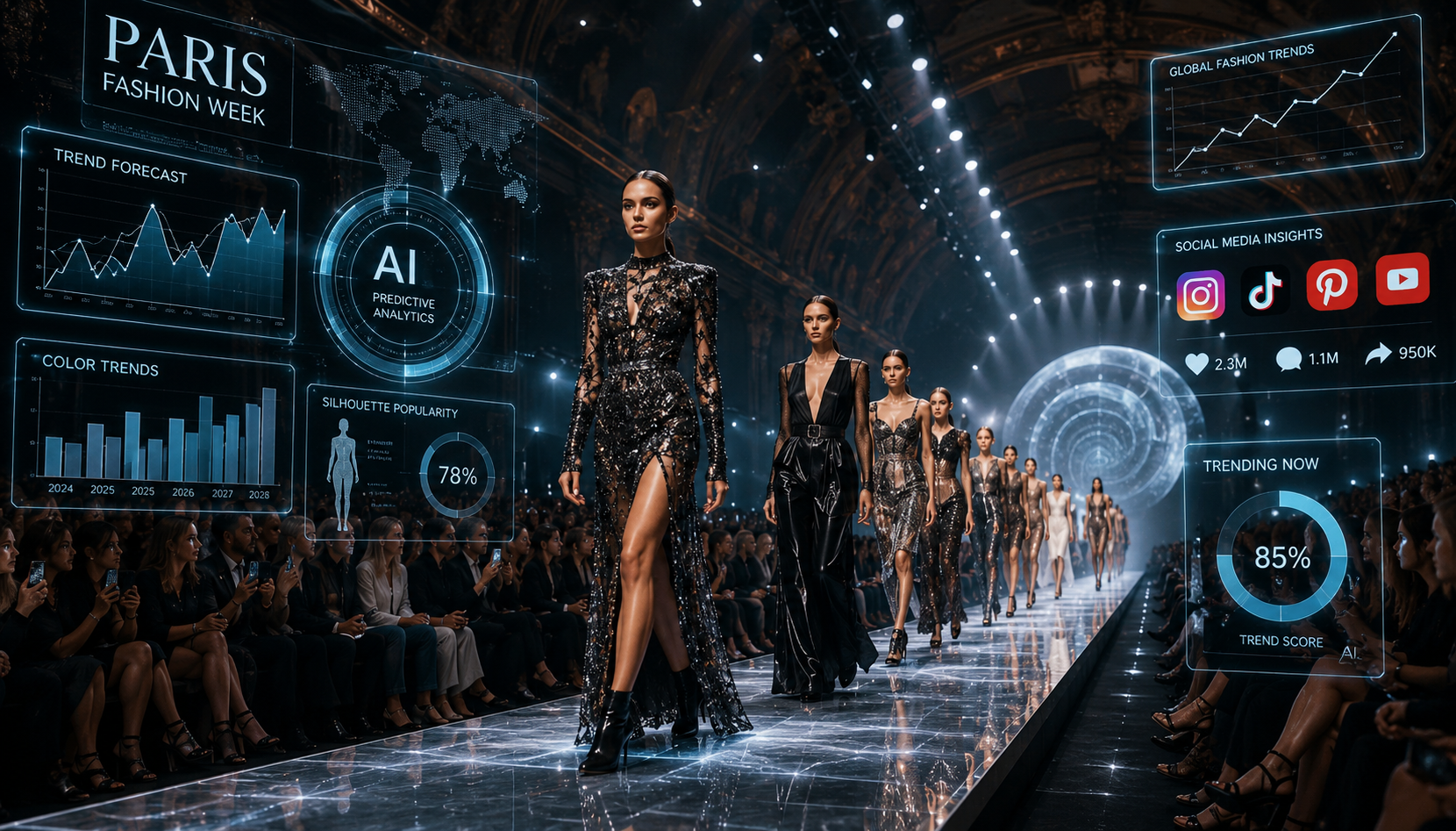
The Hidden World Behind Trend Forecasting in Fashion
Fashion trends may seem spontaneous when they suddenly appear everywhere online, on runways, and in stores, but the reality is far more strategic. Long before a trend reaches the public, fashion experts, luxury brands, designers, and forecasting agencies are already analyzing what people will wear next season — sometimes even years in advance. From runway shows in Paris to viral aesthetics on TikTok, fashion trend prediction has become a global industry driven by creativity, psychology, technology, and consumer behavior.
What Is Fashion Trend Forecasting?
Fashion trend forecasting is the process of predicting future styles, colors, fabrics, and aesthetics before they become mainstream. Major fashion brands do not simply guess what consumers might like. Instead, they study cultural movements, social behavior, celebrity influence, economic conditions, and digital trends to understand what people will want to wear in the future. This forecasting helps brands prepare collections early, ensuring that designs feel fresh and relevant when they finally reach stores.
Trend forecasting exists because fashion operates seasons ahead of time. Designers often create collections months before customers ever see them. This means the industry constantly looks into the future, searching for the next major aesthetic before it becomes popular worldwide.
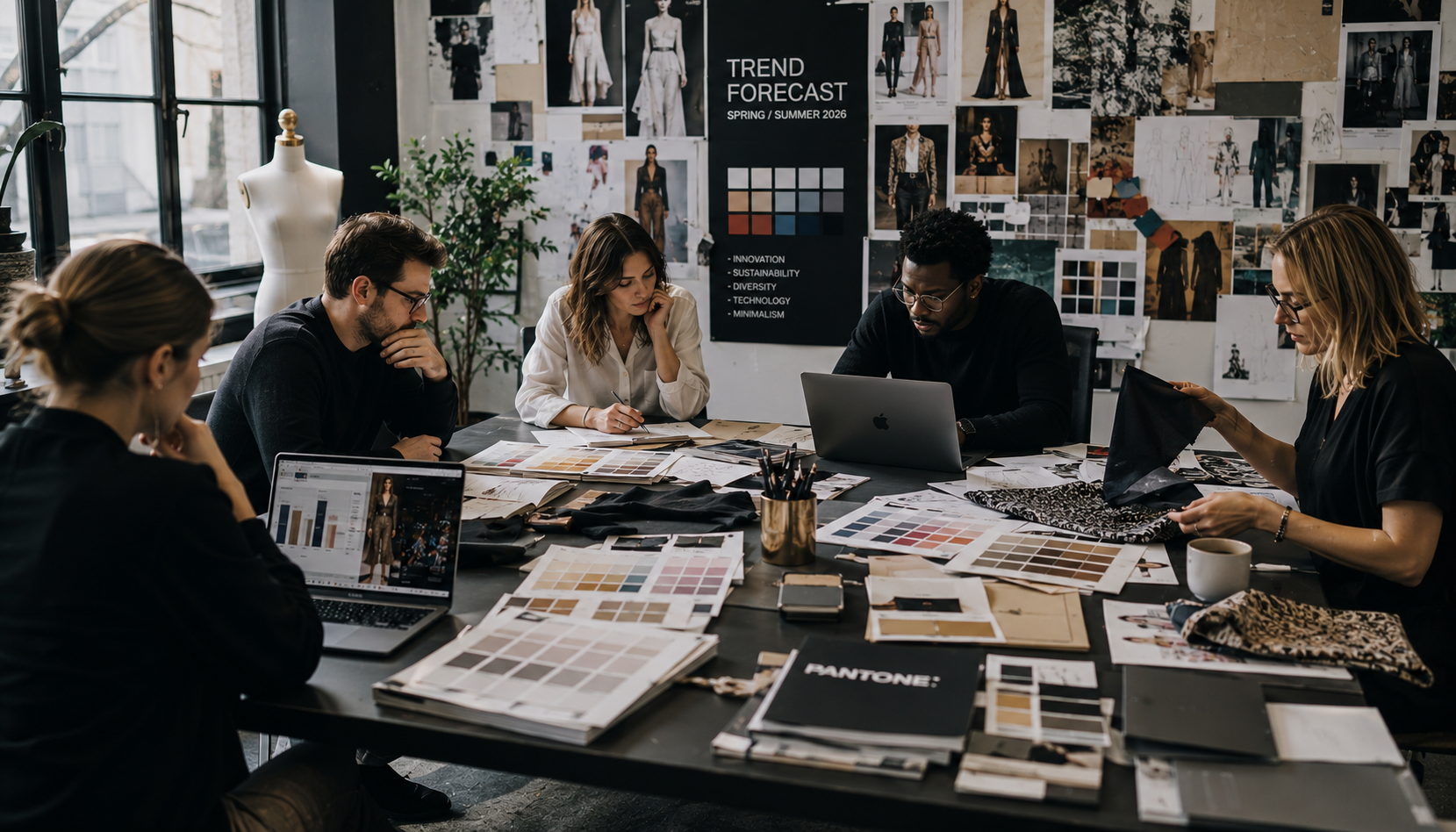
The People Behind Fashion Trend Predictions
Many people assume fashion designers alone create trends, but an entire network of professionals influences what becomes fashionable. Trend forecasting agencies like WGSN and Trend Union specialize in analyzing global culture and predicting upcoming fashion movements. These companies study everything from street style and music culture to politics and technology.
Luxury fashion houses also play a major role in shaping trends. Brands like Chanel, Prada, Louis Vuitton, and Balenciaga often introduce ideas on the runway that later influence mass-market fashion. Fashion editors, stylists, photographers, influencers, and even models contribute to trend development by helping certain aesthetics gain visibility and popularity.
The fashion industry is deeply interconnected, and trends often emerge from collaboration between creative industries rather than from a single designer alone.
How Runway Shows Predict Future Fashion
Fashion Week remains one of the most powerful tools for predicting trends. Events in Paris, Milan, London, and New York showcase collections that often shape global fashion for the upcoming seasons. Designers carefully present silhouettes, fabrics, colors, and styling choices that signal where fashion is heading next.
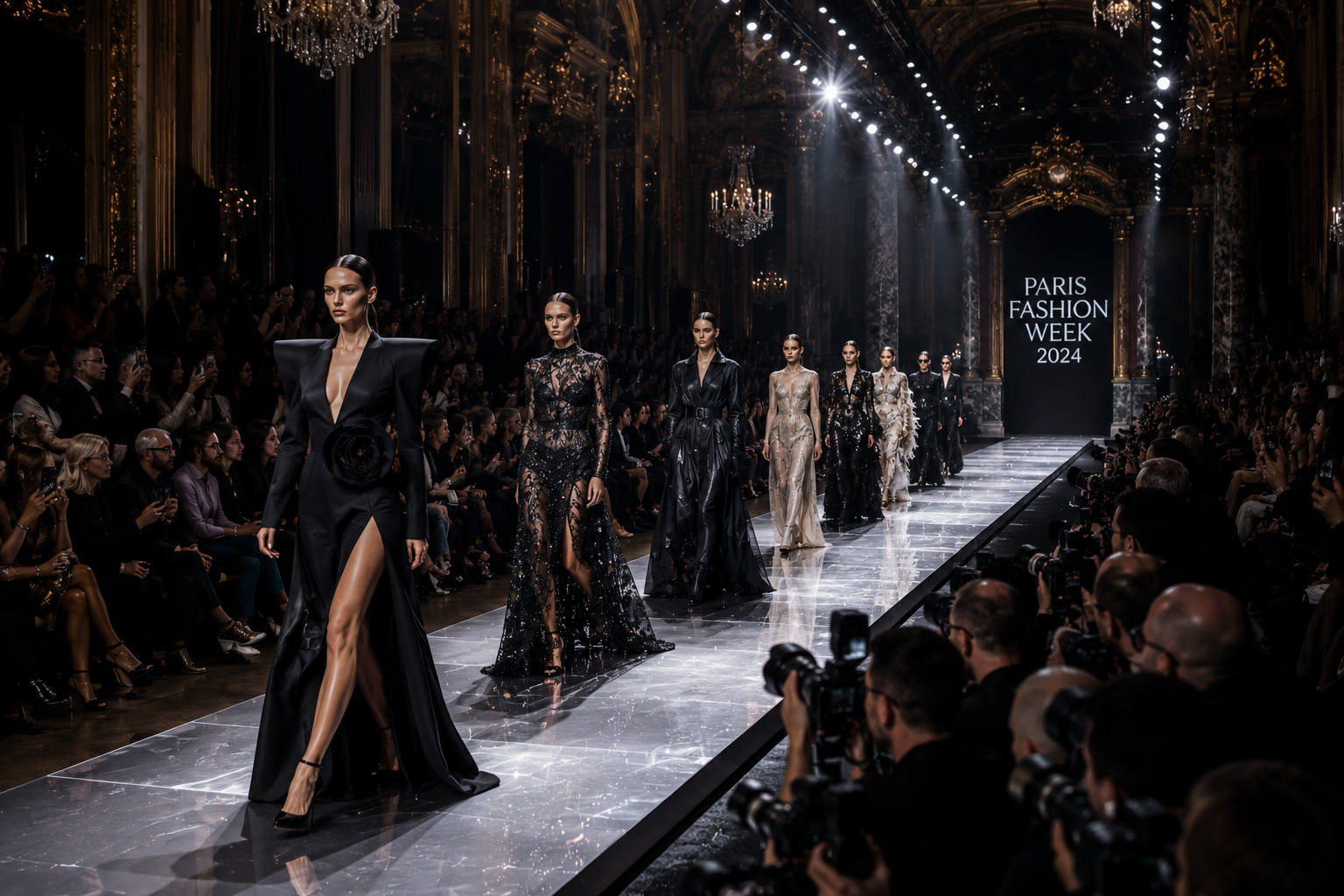
For example, oversized tailoring, metallic fabrics, minimalist luxury, and sheer materials all became major trends after repeatedly appearing across multiple runway collections. When several luxury brands independently present similar styles, fashion insiders recognize a pattern and identify it as an upcoming trend.
Runway shows are not just about selling clothing. They are visual forecasts of future fashion culture.
How Social Media Changed Trend Forecasting Forever
Social media has transformed the speed and power of trend prediction. Platforms like TikTok, Instagram, and Pinterest can turn a niche aesthetic into a worldwide fashion movement almost overnight. Viral trends such as “quiet luxury,” “clean girl aesthetic,” and Y2K fashion gained massive popularity largely because of social media exposure.
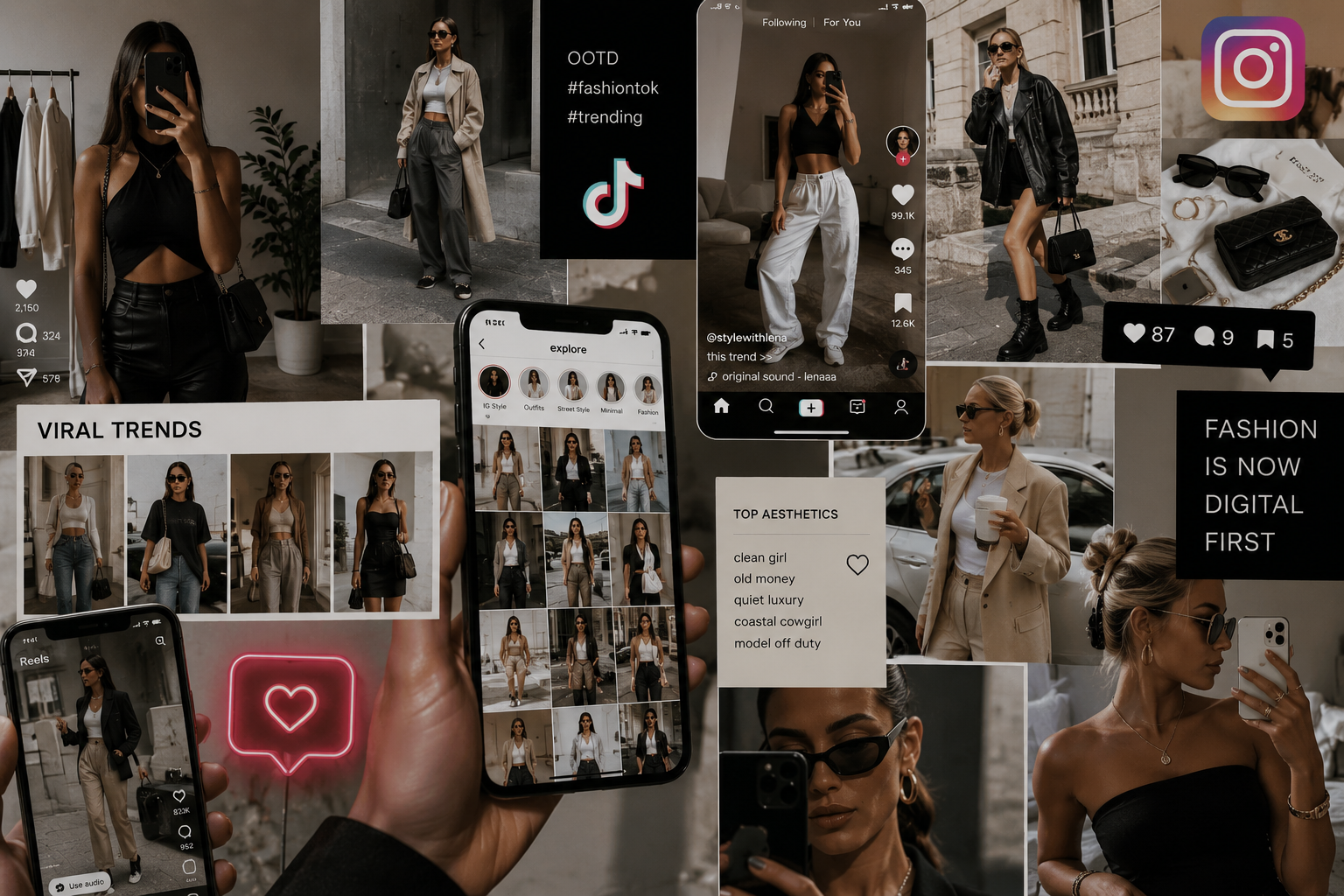
Today, brands closely monitor online behavior to understand what styles are attracting attention. Algorithms help identify rising aesthetics before they fully enter the mainstream. Influencers and celebrities can accelerate trend adoption simply by wearing a particular look online.
Unlike traditional fashion cycles that lasted years, modern trends can rise and disappear within weeks due to the speed of digital culture.
The Psychology Behind Fashion Trends
Fashion trends are deeply connected to human psychology. People often follow trends because clothing helps express identity, status, confidence, and belonging. Social influence also plays a major role. When celebrities, influencers, or admired public figures wear certain styles, consumers naturally become interested in those aesthetics.
Fashion trends are also influenced by emotion and cultural mood. During uncertain economic periods, people may prefer minimalist or practical fashion. In contrast, periods of optimism often lead to bold colors, dramatic silhouettes, and experimental styles.
Trend forecasting is not only about clothing — it is about understanding human behavior and predicting emotional desires.
The Role of Colors and Fabrics in Trend Prediction
Before each fashion season begins, experts forecast trending colors, textures, and fabrics. Organizations like Pantone influence global color trends by selecting shades that reflect current cultural moods and future design directions.
Fabric innovations also affect trends. Sustainable materials, recycled textiles, and futuristic fabrics are becoming increasingly important as fashion moves toward environmentally conscious design. Forecasting agencies monitor these developments closely because consumer values now influence fashion as much as aesthetics do.
Even the smallest design details, such as fabric texture or stitching style, can signal larger shifts within the industry.
Celebrity Culture and Fashion Influence
Celebrities have always shaped fashion trends, but their influence has become stronger in the digital era. Artists, actors, athletes, and influencers regularly introduce styles that quickly spread online and into mainstream fashion.
Figures like Zendaya, Rihanna, Bella Hadid, and K-pop stars frequently influence global aesthetics simply through street style appearances or fashion campaigns. Red carpet events also play a major role in introducing upcoming trends to worldwide audiences.
Today, celebrity fashion moments can influence consumer demand almost instantly.
How AI and Technology Are Changing Fashion Forecasting
Artificial intelligence is becoming one of the most powerful tools in modern fashion forecasting. Brands now use AI to analyze online shopping behavior, social media engagement, search trends, and consumer preferences in real time.
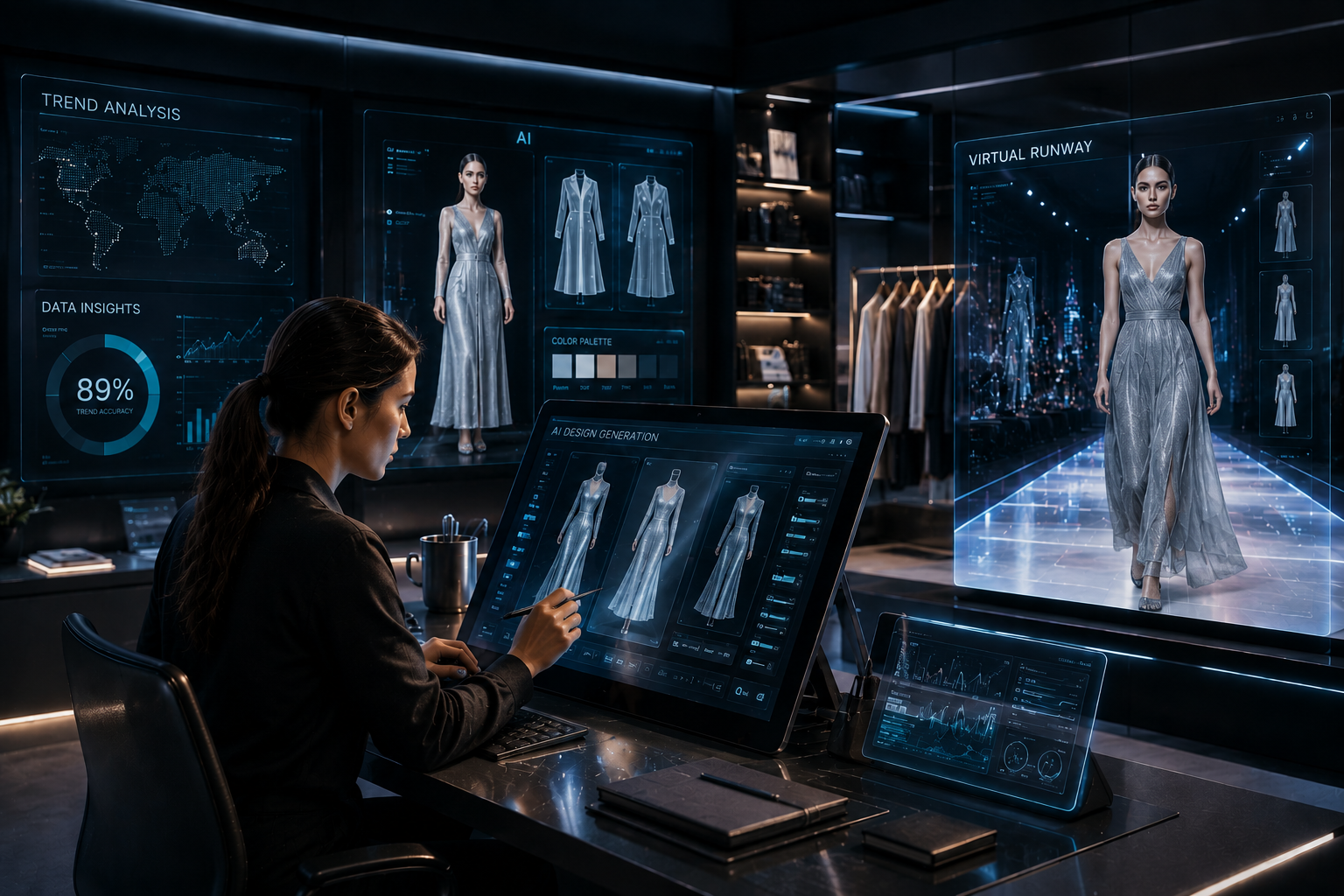
Technology allows fashion companies to predict which products may become popular before customers even realize they want them. AI can identify visual patterns, rising aesthetics, and consumer interests faster than traditional forecasting methods ever could.
As digital technology evolves, fashion trend prediction is becoming increasingly data-driven while still relying heavily on creativity and cultural insight.
Fast Fashion and the Speed of Modern Trends
Fast fashion brands like Zara, Shein, and H&M have dramatically accelerated the fashion cycle. These companies quickly produce affordable versions of runway-inspired styles, making trends accessible to consumers within weeks.
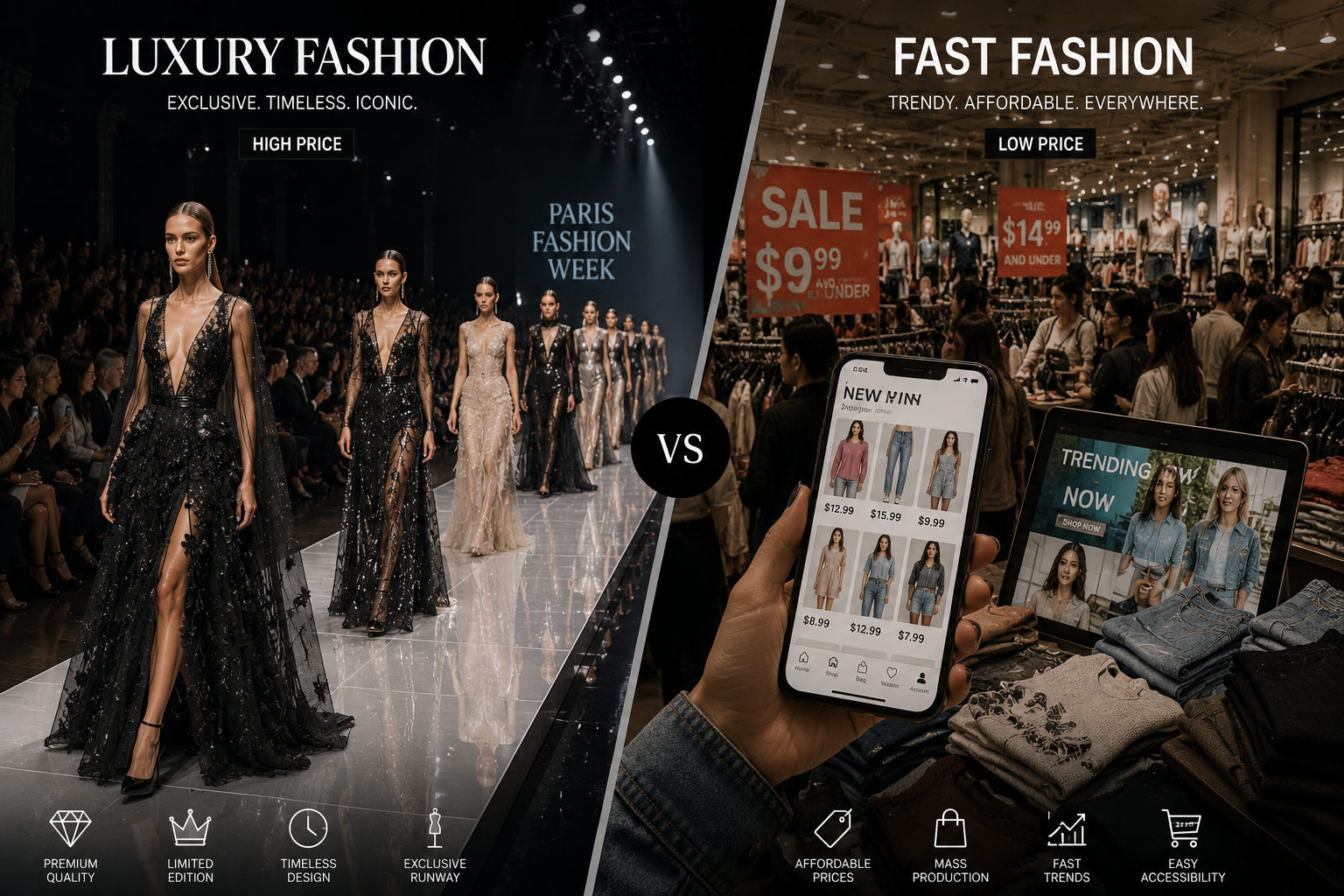
This rapid production system has changed how trends spread globally. Instead of seasonal fashion cycles dominating the industry, microtrends now appear constantly through social media and fast fashion platforms.
While this creates excitement and accessibility, it also raises concerns about sustainability, overconsumption, and the environmental impact of constantly changing trends.
Are Fashion Trends Truly Organic Anymore?
One of the biggest questions in modern fashion is whether trends still emerge naturally or whether brands strategically create them. In today’s digital world, trends are often influenced by marketing campaigns, celebrity endorsements, algorithms, and carefully planned social media exposure.
Fashion has become a powerful combination of creativity, psychology, branding, and technology. While individuality still exists within style, the systems behind modern trend forecasting are more calculated than most people realize.
The next time a trend suddenly appears everywhere, it is likely that the fashion industry predicted it long before the public even noticed it.
