Fashion has never been only about clothing. It is a language people speak without words, a reflection of identity, emotion, confidence, and culture. The way people dress often reveals how they want to be perceived by the world. Some choose bold luxury pieces to project power and sophistication, while others prefer minimal styles that communicate elegance and simplicity. In every era, fashion has influenced human behavior and social perception, becoming one of the strongest visual forms of self-expression in modern society.
Fashion as a Reflection of Identity
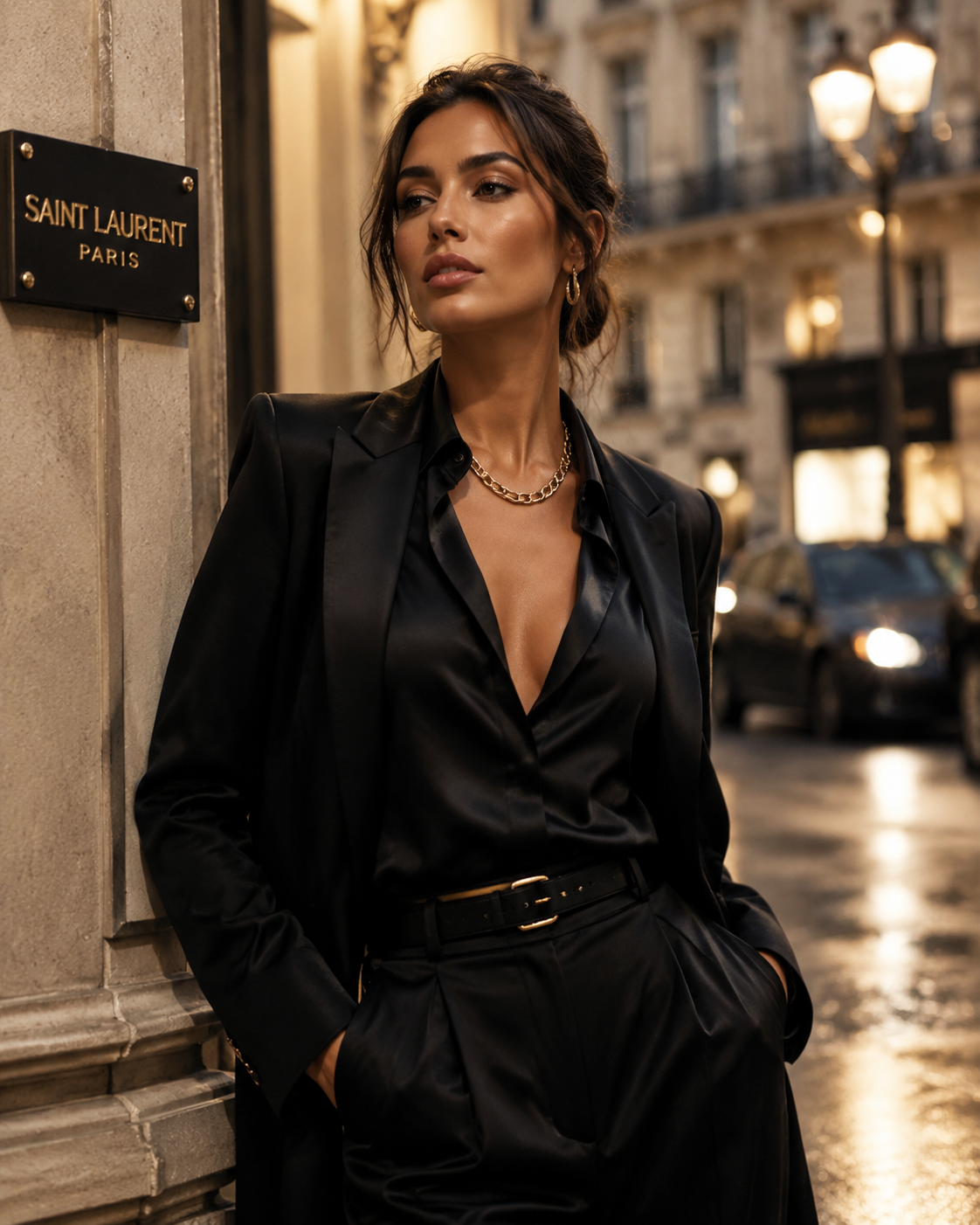
Clothing allows people to create a personal identity before they even speak. The moment someone enters a room, their style immediately creates assumptions about personality, status, confidence, and lifestyle. A perfectly tailored black suit may suggest authority and ambition, while relaxed streetwear can communicate creativity and individuality. Fashion gives people the ability to visually express emotions, beliefs, and aspirations in ways that words sometimes cannot.
In today’s world, style has become deeply connected to self-image. Many people use fashion not simply to follow trends, but to shape the version of themselves they want others to see. Luxury brands understand this psychological connection very well, which is why they sell not only products, but also lifestyles and emotions.
Supermodels like Gigi Hadid and Bella Hadid offer clear examples of fashion as a form of identity. Their choices, whether streetwear for casual appearances or couture for runway shows, communicate a narrative about personality, creativity, and lifestyle long before they speak. Every outfit is carefully curated to express a mood or tell a story — edgy, sophisticated, playful, or powerful — demonstrating how even global icons rely on fashion to visually convey who they are and how they want to be perceived. This reinforces the idea that clothing is more than decoration; it is a strategic extension of personal identity.
The Connection Between Fashion and Confidence
Fashion has a direct influence on human psychology. Certain outfits can instantly change the way a person feels emotionally and mentally. This psychological effect is often called “enclothed cognition,” where clothing impacts confidence, behavior, and mindset. People tend to feel more powerful, attractive, and self-assured when wearing outfits that align with their ideal self-image.
The transformative power of clothing is evident in the experiences of professional models. One model preparing for Paris Fashion Week recalled that slipping into a custom-tailored gown instantly shifted her mindset from nervousness to poise. Such experiences highlight the psychological effect of fashion: the right outfit can boost confidence, influence posture, and even alter interactions with others. This concept can be applied beyond the runway — everyday wardrobe choices, from bold colors to structured tailoring, can shape confidence in meetings, presentations, or social occasions, subtly influencing how we feel and how others perceive us.
A designer gown, luxury heels, or a sharp formal suit can completely transform body language and attitude. Fashion acts almost like emotional armor, giving individuals confidence in social situations, professional environments, and public appearances. This is one reason why fashion plays such a major role in industries like modeling, entertainment, and luxury branding.

The Emotional Power of Color in Fashion
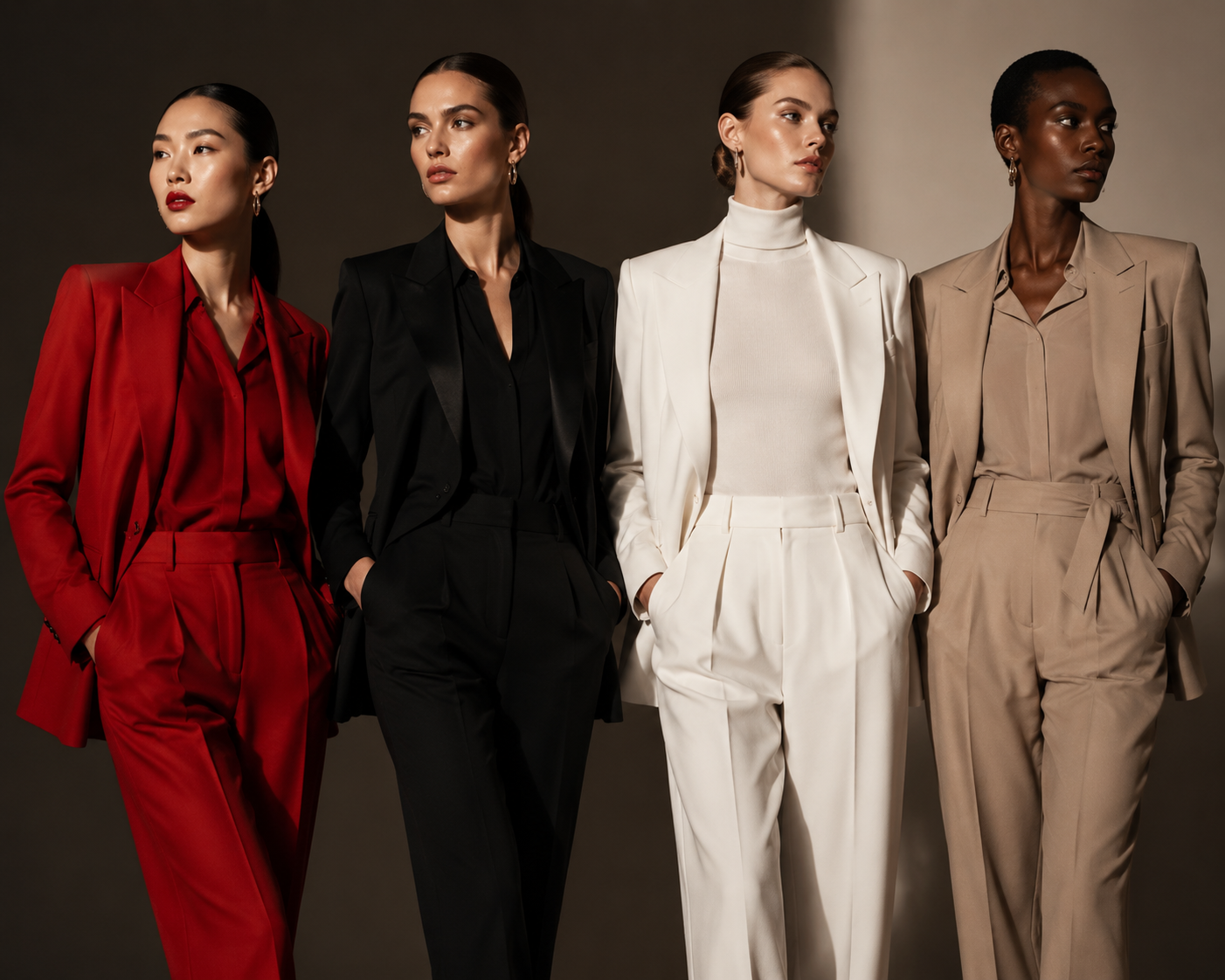
Color psychology is one of the most powerful elements in fashion design. Different colors trigger emotional reactions that influence both the wearer and the people around them. Black is commonly associated with elegance, mystery, and authority, while white symbolizes purity and simplicity. Red represents passion and confidence, making it one of the most visually powerful colors in luxury fashion campaigns.
Fashion designers carefully choose color palettes because they understand how deeply colors influence perception. Luxury brands often rely on neutral and monochromatic tones to create a timeless and sophisticated image, while bold vibrant colors are used to capture attention and energy. Through color alone, fashion can communicate emotion without saying a single word.
Color psychology in fashion extends far beyond aesthetic preference; it is a deliberate tool used by designers to evoke emotion and convey meaning. From the grand halls of Milan Fashion Week to intimate Parisian ateliers, every shade and texture is chosen with precision. A deep navy suit might signal authority, a vibrant red dress communicates passion, and soft neutrals evoke calm sophistication. These choices are not accidental — they are carefully crafted to resonate with both the wearer and the audience, reinforcing fashion’s role as a visual and emotional language that transcends mere appearance.
How Social Media Changed Fashion Psychology
Social media has completely transformed the way fashion influences society. Platforms like Instagram, TikTok, and Pinterest have turned fashion into a global visual culture where trends spread faster than ever before. People are constantly exposed to luxury lifestyles, celebrity fashion, and influencer aesthetics, which shapes their perception of beauty, success, and social status.
Modern consumers no longer look only at fashion magazines for inspiration. Influencers and digital creators now drive trends across the world within days. Fashion psychology has become strongly connected to online validation, where likes, shares, and viral trends influence personal style choices.
In today’s digital world, fashion psychology is increasingly shaped by social media. A single Instagram post or viral TikTok video can ignite global trends within hours, influencing millions of followers’ perceptions of style, beauty, and status. Digital influencers and AI-generated models now play a central role in determining what is desirable, merging personal expression with curated digital identity. This rapid and interactive spread of trends illustrates how fashion has evolved from a static, seasonal system into a dynamic, real-time psychological force that impacts both perception and behavior.
This digital transformation has made fashion more accessible, but also more psychologically influential than ever before.

Fashion and Emotional Expression
Fashion is deeply connected to emotion and memory. People often associate specific outfits with important moments in life, such as weddings, graduations, parties, or major career achievements. Clothing becomes emotionally valuable because it represents experiences and personal transformations.
Designer Alber Elbaz once remarked, “Fashion is the armor to survive the reality of everyday life.” This statement encapsulates the emotional power of clothing: it protects, empowers, and communicates. Outfits carry memories of milestones, celebrations, or personal transformations, and even everyday choices can reflect inner moods. A cozy oversized sweater might offer comfort during stressful days, while a bold statement outfit can express confidence and ambition. Fashion thus becomes a daily tool for emotional expression, linking personal experience, identity, and memory into a coherent visual narrative.
Even everyday fashion choices can reflect emotional states. During stressful periods, people may prefer oversized or comfortable clothing, while moments of confidence often inspire bold and expressive fashion choices. This emotional connection is one reason why fashion remains so personal and meaningful across different cultures and generations.
The Future of Fashion Psychology
The future of fashion is becoming increasingly connected with technology and artificial intelligence. Virtual influencers, AI-generated models, and digital fashion campaigns are beginning to reshape the fashion industry. Luxury brands are now experimenting with futuristic designs and digital identities that exist both online and in virtual environments.
The future of fashion lies at the intersection of technology, sustainability, and personal identity. Virtual try-ons, AI-designed collections, and eco-conscious materials are redefining how individuals interact with clothing. Designers are exploring digital couture, blending physical and virtual experiences, while consumers increasingly consider environmental impact in their style choices. This evolution highlights fashion’s dual role: it continues to influence self-expression and psychological perception while addressing modern ethical and technological considerations, creating a new era of holistic and thoughtful fashion.
As technology evolves, fashion will continue influencing how people express themselves in both physical and digital worlds. The relationship between psychology and fashion will become even stronger as brands use technology to create deeper emotional connections with audiences.

Conclusion
Fashion is far more than clothing. It is a psychological tool that shapes confidence, identity, emotion, and social perception. Every outfit tells a story about who people are and how they want the world to see them. From luxury runways to everyday streetwear, fashion continues to influence human behavior in powerful ways. In a world driven by visual culture and digital identity, fashion remains one of the strongest forms of self-expression humanity has ever created.
