
You are currently browsing the archives for the Fashion Trends category.
Archives
Categories
- Agencies (2)
- Auditions (2)
- Beauty Tips (7)
- Fashion clothes (33)
- Fashion designs (27)
- Fashion show Events (309)
- Fashion Tips (36)
- Fashion Trends (73)
- Models (50)
- Fashion News. (28)
- Photography (3)
The Rise of Influencer Models: Transforming the Fashion Industry
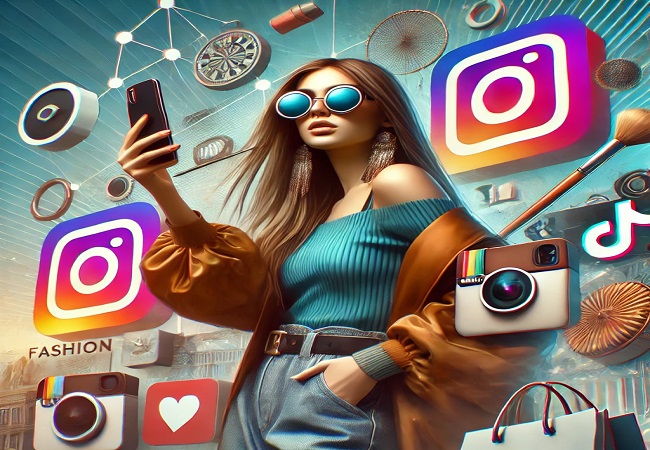
The fashion industry is experiencing a remarkable transformation with the rise of social media models. Traditional modeling agencies now face competition from platforms like Instagram and TikTok, where influencers with massive followings secure lucrative brand deals without ever attending a casting call. This shift has redefined the concept of modeling in today’s digital world.
Influencer models build their personal brands by blending fashion with lifestyle content that resonates deeply with their audience. Unlike conventional models who work through agencies, influencers foster direct relationships with their followers. This authenticity results in higher engagement and stronger connections with potential customers, making them highly attractive to brands eager to tap into new, digitally savvy demographics.
Expanding the Role of Brand Ambassadors
Today’s models are not limited to fashion; they are evolving into multi-industry brand ambassadors. Influencer models represent not only fashion labels but also brands from beauty, wellness, technology, and fitness industries. This shift allows them to diversify their portfolios and extend their influence beyond fashion alone.
By collaborating with brands across different sectors, influencer models create a dynamic and versatile presence that increases their marketability. They can endorse everything from skincare products to fitness programs and tech gadgets, showcasing their wide appeal. This trend reflects the evolving consumer landscape, where audiences now look to relatable, authentic endorsements from influencers rather than traditional celebrity campaigns.
The Impact on Marketing Strategies
The rise of influencer models is reshaping how brands approach marketing. Companies are increasingly recognizing the potential of social media influencers to drive engagement and boost sales. Collaborations with these models often involve highly personalized campaigns that emphasize the influencer’s lifestyle, preferences, and genuine experiences with the brand.
Additionally, influencer model’s ability to produce stunning visual content whether in the form of photographs or engaging videos significantly enhances a brand’s visibility. Their social platforms serve as powerful launchpads for new products, promotional events, and brand awareness initiatives, making influencer partnerships a cornerstone of modern marketing strategies.
The rise of influencer models is revolutionizing the modeling industry, creating a new landscape where social media presence and personal branding take center stage. As these models continue to expand their roles as brand ambassadors across various industries, their influence is set to grow even further. This evolution not only benefits the models themselves but also offers brands innovative ways to connect with consumers in a rapidly changing market. Embracing this trend is essential for any brand looking to stay relevant and engage effectively with today’s audience.
Tags: fashion, Fashion Trends, Models
Posted in Fashion News., Fashion Trends | No Comments »
The Evolution of Fashion Shows: Embracing Hybrid and Virtual Formats
The fashion industry is undergoing a significant transformation, with traditional runway shows now sharing the spotlight with virtual and hybrid events. While physical runway shows continue to hold their iconic status as the epitome of fashion, the rise of digital technology has ushered in a new era, making virtual fashion events a mainstream phenomenon. This shift has been accelerated by the need for flexibility, accessibility, and adaptability in an ever-evolving global landscape.
The Rise of Virtual Fashion Events
Virtual fashion shows, where collections are presented digitally through live-streamed videos, pre-recorded footage, or interactive 3D presentations, have gained immense popularity. Designers and brands are now able to reach a global audience in real-time, allowing fashion enthusiasts from around the world to witness the latest trends without the need for travel. This approach not only enhances accessibility but also democratizes fashion, making high-end shows available to a much wider audience.

The Emergence of Hybrid Formats
Hybrid fashion shows, which combine live runway experiences with digital elements, are becoming a preferred choice for many fashion houses. These formats offer the best of both worlds:
Physical Runway Shows: Maintaining the drama, elegance, and in-person allure that traditional shows are known for, with the added benefit of a live audience who can experience the energy firsthand.
Digital Enhancements: Including virtual elements such as online streaming, augmented reality (AR), and 360-degree views of the runway, which add depth to the presentation and cater to digital audiences. This layered approach enables more interactive and immersive experiences, such as virtual front-row seats or exclusive behind-the-scenes access.
Global Participation Without Geographic Barriers
One of the most significant advantages of virtual and hybrid formats is the ability for models and designers to participate in shows across the globe, irrespective of location. This shift eliminates geographic constraints, enabling a more diverse and inclusive representation in the fashion industry. It allows:
Models from different regions to appear in multiple shows worldwide within a short period, expanding their opportunities and exposure.
Designers to showcase their collections on an international scale without the logistical and financial challenges of transporting garments and setting up physical locations.
Technological Innovations Driving the Change
The growth of virtual and hybrid fashion shows is fueled by advancements in technology, including:
Virtual Reality (VR) and Augmented Reality (AR): Providing immersive experiences for viewers, allowing them to feel as if they are sitting front row, or even walking alongside the models.
3D Digital Clothing: Creating realistic representations of garments that can be viewed and even “worn” in virtual environments, giving designers a platform to push creative boundaries.
Social Media Live Streams: Making fashion events accessible in real-time to millions of users, allowing instant feedback and broader reach.
The integration of hybrid and virtual fashion events marks a new chapter in the industry, where flexibility, innovation, and inclusivity are at the forefront. These formats not only respond to current challenges but also open doors to new possibilities in how fashion is showcased, consumed, and appreciated.
Tags: Fashion Show, Fashion Trends
Posted in Fashion show Events, Fashion Trends | No Comments »
Why Are Fashion Industry Trends Changing So Rapidly?
The fashion industry is evolving at lightning speed, much like unpredictable weather—sunny today, snowy tomorrow. For those in the fashion business, it can feel just as unpredictable and fast-paced. But why are fashion trends changing so quickly?
In 2023, the fashion landscape was profoundly shaped by the influence of consumers and technology. Social media platforms played a pivotal role, with influencers like Chiara Ferragni setting trends that were instantly adopted by their followers, illustrating the immense power of digital influence. At the same time, technological advancements revolutionized online shopping, making it more accessible and tailored to individual preferences.
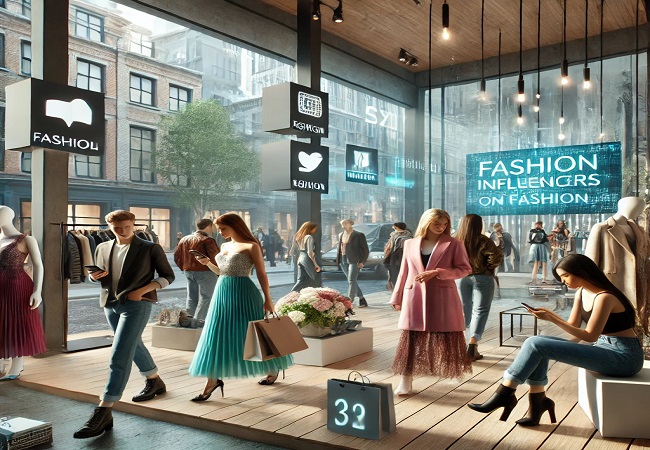
As we move into 2024, these trends are expected to accelerate even further. Consumer influence will continue to grow, driving an even more dynamic and fast-moving fashion industry. The rapid rise of social media and e-commerce has not only transformed how we shop but also how trends are created and spread. With just a few taps, a new style can go viral, influencing millions overnight.
Technology has redefined the shopping experience, making it easier and faster for consumers to access the latest fashion. The shift towards online shopping has not only made fashion more convenient but has also paved the way for new digital tools that continually reshape the industry. Every day brings the potential for new technological innovations that can disrupt the market, from virtual try-ons to AI-driven style recommendations.
While these changes may seem fast, they have been embraced at the perfect moment. The rapid acceptance by consumers and industry professionals alike shows how ready the fashion world is for innovation. Consumers now play a key role in shaping trends, influencing not just their peers but also the broader industry, creating a cycle where demand and supply are in constant motion.
Technological advancements have also opened up new opportunities for brands and consumers. Social media has created an expectation for instant access to the latest trends, making fashion a real-time experience. The fast pace of change reflects a broader cultural shift towards immediacy, convenience, and personalization.
As we look ahead to the next year, one thing is clear: the fashion industry will continue to evolve rapidly. Consumers, technology, and social media will keep pushing boundaries, making it an exciting time for fashion enthusiasts. The only question left is—what trend will take over next?
Tags: Fashion Trends
Posted in Fashion Trends | No Comments »